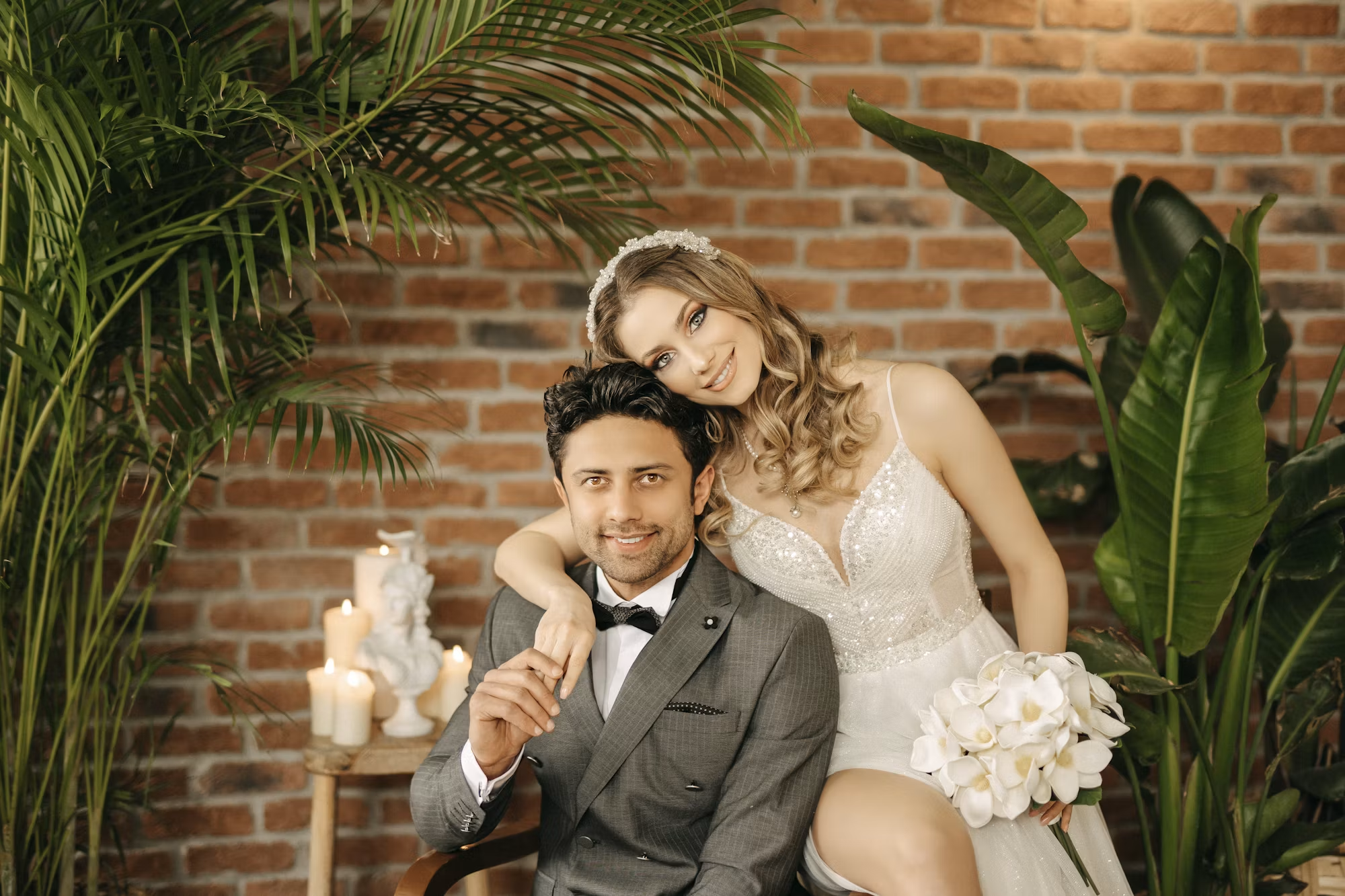
Planning a wedding can be both an exciting and overwhelming experience. It involves a myriad of decisions that can shape the couple’s special day and set the tone for their future together. From selecting the perfect venue to curating a guest list and choosing a theme, each detail contributes to the overall celebration of love. In this article, we will explore the essential steps of wedding planning, share creative ideas, and provide tips to help couples navigate this journey with joy and ease.
Setting the Foundation: Establishing a Budget
Before diving into the myriad of details, the first step in wedding planning is to establish a budget. This crucial foundation will guide every decision made throughout the planning process. Couples should discuss their financial limits and agree on how much they are willing to spend on various aspects of the wedding, including the venue, catering, attire, and entertainment.
Once a budget is in place, it’s important to prioritize expenses. Some couples may want to invest more in photography and videography to capture their special day, while others may prioritize a stunning venue or exquisite catering. By identifying priorities, couples can allocate their budget effectively, ensuring they get the most value for their money.
Choosing the Perfect Venue
The venue is one of the most significant choices in the wedding planning process. It sets the stage for the entire event and influences the overall atmosphere. Couples should consider various factors when selecting a venue, including the number of guests, the desired ambiance, and the season of the wedding.
Popular venue options include banquet halls, outdoor gardens, beaches, and historical sites. Each venue has its unique charm and appeal, so couples should choose one that resonates with their vision. Additionally, it’s essential to visit potential venues in person to assess the layout, lighting, and overall vibe. This hands-on experience can help couples visualize their wedding day and make informed decisions.
Curating the Guest List
Creating the guest list is one of the most challenging yet rewarding parts of wedding planning. It requires thoughtful consideration of relationships and family dynamics. Couples should start by making a rough list of everyone they would like to invite, including family, friends, colleagues, and extended relatives.
To streamline the process, it can be helpful to categorize guests into tiers: must-invite, should-invite, and optional invitees. This categorization can make it easier to manage the list, especially when working within a specific guest count due to venue limitations or budget constraints. Communication is key; couples should discuss their guest list preferences openly to ensure both partners feel comfortable with the final decision.
Selecting a Theme and Style
Choosing a theme or style for the wedding can significantly impact the overall design and feel of the celebration. Couples should reflect on their personalities, interests, and the atmosphere they want to create. Popular themes range from rustic and vintage to modern and elegant, each offering its unique charm.
Once a theme is chosen, couples can incorporate it into various aspects of the wedding, including décor, attire, and floral arrangements. For example, a rustic-themed wedding might feature wooden centerpieces, burlap table runners, and wildflower bouquets, while a modern theme could highlight sleek lines, geometric shapes, and monochromatic color schemes. The key is to maintain a cohesive look that reflects the couple’s style and vision.
Choosing the Right Vendors
Selecting vendors is a critical step in the wedding planning process, as they play a significant role in bringing the couple’s vision to life. This includes hiring a photographer, videographer, florist, caterer, baker, and entertainment. Couples should begin by researching and compiling a list of potential vendors, taking into consideration their styles, reviews, and portfolios.
It’s advisable to schedule meetings or consultations with vendors to discuss ideas and gauge their personalities. Couples should ask questions about their experience, availability, and pricing. Building a rapport with vendors can create a smoother planning experience and help ensure that the couple’s vision is executed flawlessly.
Attire and Accessories
Choosing wedding attire is often one of the most anticipated moments in the planning process. For the bride, selecting a wedding gown involves trying on various styles to find the perfect fit and aesthetic. Many brides start by exploring bridal boutiques, considering factors such as silhouette, fabric, and embellishments.
Grooms also have options when it comes to attire. Whether opting for a classic tuxedo, a tailored suit, or something more casual, it’s essential that the groom feels comfortable and confident in his choice. Additionally, couples should consider accessories, such as shoes, jewelry, and veils, which can add the finishing touches to their looks.
The Importance of Timing
Timing is crucial when planning a wedding. Couples should create a timeline that outlines essential tasks and deadlines leading up to the big day. This timeline should include milestones such as booking the venue, finalizing the guest list, sending invitations, and confirming vendor details.
Additionally, it’s essential to consider the time of year for the wedding. Each season offers its unique advantages and challenges. For example, spring and summer weddings may allow for beautiful outdoor ceremonies, while fall weddings can feature stunning foliage and cozy vibes. Couples should also be mindful of holidays and local events that could impact guest availability or venue options.
Personal Touches and Unique Ideas
Incorporating personal touches into the wedding can make the celebration feel more intimate and reflective of the couple’s journey together. This could include personalized vows, custom signage, or unique guest favors. Couples might also consider incorporating traditions or elements from their families’ cultures, adding depth and meaning to the celebration.
Unique ideas can set the wedding apart, such as creating a signature cocktail, planning an interactive guest book, or organizing entertainment that reflects the couple’s hobbies or interests. By adding these personal elements, couples can create a memorable experience for themselves and their guests.
Navigating the Big Day
As the wedding day approaches, it’s essential to remain organized and calm. Couples should create a detailed schedule for the day, outlining the timeline for hair and makeup, the ceremony, the reception, and any other planned activities. Assigning responsibilities to trusted friends or family members can help alleviate stress and ensure everything runs smoothly.
On the day of the wedding, it’s crucial for couples to take a moment to enjoy the experience. The day may go by quickly, so pausing to soak in the love and joy surrounding them can create lasting memories. Couples should also consider setting aside time for a private moment together amidst the festivities, allowing them to connect and reflect on their journey as a couple.
Conclusion
Wedding planning is a beautiful journey that celebrates love and commitment. By establishing a budget, choosing the right venue, curating a guest list, selecting a theme, and incorporating personal touches, couples can create a memorable celebration that reflects their unique story. While the planning process may have its challenges, the end result—a day filled with love, joy, and cherished memories—makes it all worthwhile. As couples embark on this journey, they can embrace the excitement of planning their dream wedding, knowing that it is the beginning of a new chapter together.